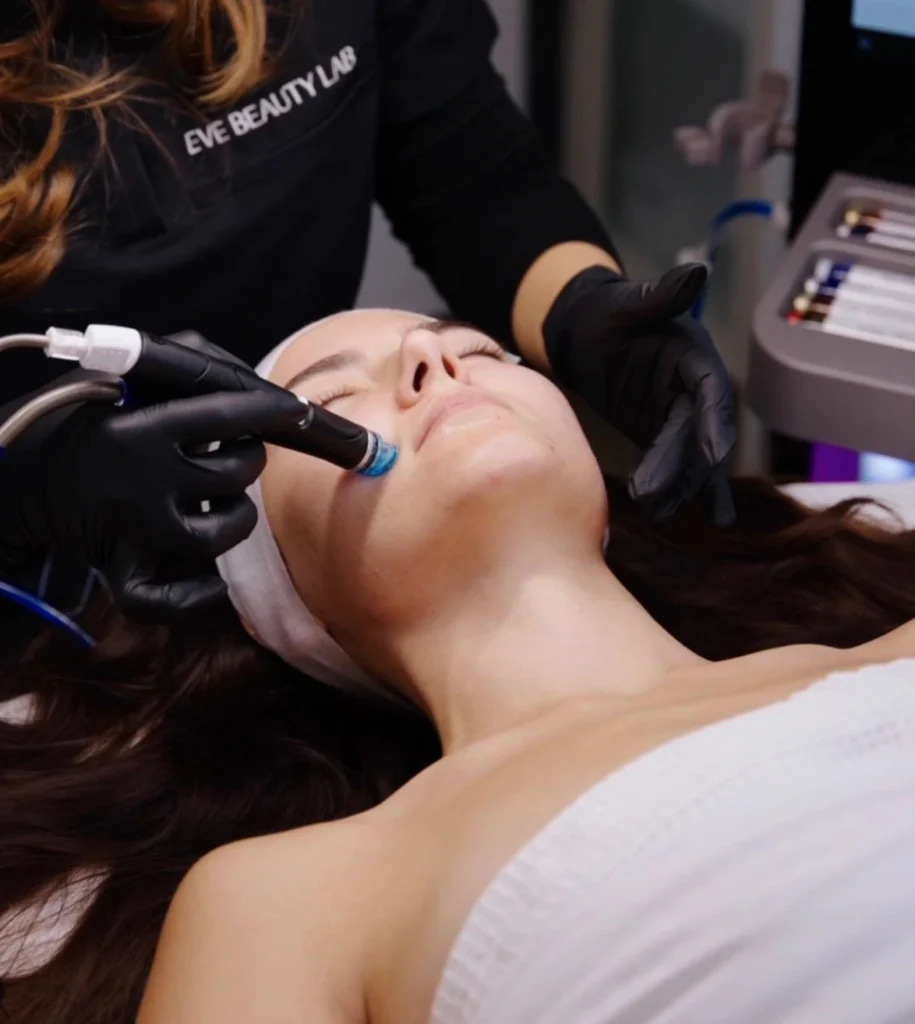
Healthy, glowing skin is something many people strive for, but achieving and maintaining it often requires more than a simple at-home skincare routine. Professional facial treatments can help improve skin health, remove impurities, and keep your complexion looking refreshed. One of the most popular treatments today is the HydraFacial, known for delivering noticeable results with little to no downtime.
If you are considering booking a hydrafacial treatment in Glendale, it is helpful to understand how often the treatment should be done. The ideal frequency depends on several factors, including your skin type, skincare goals, and overall skin condition.
This guide explains how often you should schedule Hydrafacial treatments and how consistent sessions can help support long-term skin health.
Who Should Consider a HydraFacial?
A HydraFacial is a versatile skincare treatment designed to improve overall skin health while addressing a variety of concerns. Because it is gentle, non-invasive, and customizable, it can be suitable for many different skin types and ages.
Here are some people who may benefit from a Hydrafacial treatment:
1. Refresh and Brighten Skin
If your skin feels less vibrant than usual, a Hydrafacial can help remove dead skin cells and restore a natural glow.
2. Improve Pore Clarity and Texture
The treatment gently extracts impurities and excess oil, helping the skin appear clearer and more refined.
3. Boost Skin Hydration Levels
Hydrafacial treatments deliver hydrating serums that help improve moisture levels and support softer, smoother skin.
4. Support Clearer, Balanced Skin
Deep cleansing and exfoliation can help remove buildup that may contribute to clogged pores and occasional breakouts.
5. Maintain Smooth, Youthful Skin
Regular treatments can help improve skin texture and support a smoother, refreshed appearance.
6. Prepare Skin for Events
Many people in Los Angeles choose a Hydrafacial before weddings, celebrations, or photoshoots…
How Often Should You Schedule?
The General Recommendation: Once a Month
For most people, skincare professionals recommend getting a Hydrafacial once every four weeks. This schedule aligns with the natural skin renewal cycle, which typically takes around 28 days.
During this cycle, your skin naturally sheds dead cells and generates new ones. A monthly Hydrafacial helps remove buildup, encourage healthy cell turnover, and maintain hydration levels.
Regular monthly treatments can help:
- Maintain smoother skin texture
- Reduce clogged pores
- Improve hydration
- Support consistent skin renewal
- Enhance the effectiveness of at-home skincare products
For people who want to maintain healthy, radiant skin year-round, monthly treatments are often considered the ideal maintenance routine. You can also explore hydrafacial treatments and pricing to find an option that fits your skincare goals.
Hydrafacial Frequency for Different Skin Types
While monthly sessions work well for many individuals, your skin type and concerns may influence how often you should schedule treatments.
1. Oily or Acne-Prone Skin
People with oily or acne-prone skin may benefit from more frequent treatments initially, sometimes every 2–3 weeks.
Hydrafacial treatments can help:
- Remove excess oil
- Clear congested pores
- Reduce blackheads and breakouts
- Improve overall skin clarity
After the skin becomes more balanced, treatments can transition to a monthly schedule for maintenance.
2. Dry or Dehydrated Skin
For individuals with dry or dehydrated skin, a Hydrafacial provides deep hydration and nourishment.
A treatment every 4–6 weeks can help maintain moisture balance while keeping the skin smooth and radiant. Hydrating serums used during the procedure help restore the skin barrier and reduce dryness, especially during colder months.
Clients across Los Angeles often choose regular Hydrafacial treatments to maintain hydration year-round.
3. Sensitive Skin
Sensitive skin types often benefit from the gentle nature of Hydrafacial treatments. Because the procedure avoids harsh exfoliation, it can be performed safely on delicate skin.
Most skincare professionals recommend scheduling treatments once every 4–6 weeks for sensitive skin to maintain balance without overstimulation.
4. Aging or Mature Skin
Hydrafacial treatments can help improve the appearance of fine lines, wrinkles, and uneven skin texture.
For anti-aging benefits, treatments every 3–4 weeks can help stimulate skin renewal and maintain hydration levels.
Over time, regular treatments may contribute to smoother and more radiant skin.
Benefits of Regular Hydrafacial Treatments
Consistency is key when it comes to skincare. While a single Hydrafacial can produce noticeable results, regular treatments provide longer-lasting improvements.
Many clients in Glendale notice more consistent results when they follow a regular Hydrafacial schedule.
Some of the biggest benefits of routine Hydrafacial sessions include:
- Improved Skin Hydration: Hydrafacial treatments deliver hydrating serums directly into the skin, helping maintain a healthy moisture balance.
- Clearer Pores: Regular treatments remove oil, dirt, and debris that can clog pores and lead to breakouts.
- Brighter Complexion: Exfoliation helps remove dull surface cells, revealing fresher and brighter skin.
- Smoother Skin Texture: Consistent treatments can improve rough skin texture and help maintain a soft, smooth feel.
- Better Absorption of Skincare Products: By removing buildup and dead skin cells, professional treatments allow skincare products to penetrate more effectively.
Choosing a Professional Skin Clinic for Hydrafacial Treatments
While hydrafacial treatments are widely available, choosing a reputable skincare clinic is important for achieving safe and effective results. It is also helpful to understand the difference between hydrafacial and hydrofacial before selecting a treatment.
At Eve Beauty Lab, we take the time to evaluate your skin type, understand your concerns, and customize each treatment based on your individual needs. This personalized approach helps ensure you receive the most suitable care for your skin goals.
Working with experienced skincare professionals also offers several important benefits:
- Personalized Treatment Plans: We tailor each hydrafacial session based on your skin type, concerns, and long-term goals.
- Advanced Techniques and Technology: We use professional-grade equipment and updated techniques to deliver safe and effective results.
- Safe and Hygienic Environment: We follow strict hygiene standards to ensure your treatment is performed safely and comfortably.
- Expert Skin Analysis: We carefully assess your skin condition before each session to adjust treatments as your skin changes.
- Guidance on Skincare Routine: We recommend suitable products and routines to help you maintain results between treatments.
- Consistent and Reliable Results: Professional treatments help improve skin texture, hydration, and overall appearance over time.
Final Thoughts
Hydrafacial treatments are one of the most effective ways to maintain healthy, glowing skin without downtime. For most individuals, scheduling a treatment once every four weeks helps support the natural skin renewal cycle and keeps the complexion looking fresh and balanced.
However, the ideal schedule can vary depending on your skin type, skincare goals, and specific concerns. At Eve Beauty Lab, we work closely with clients in Glendale to understand their skin and recommend the right treatment frequency tailored to their needs.With regular treatments and a consistent skincare routine, Hydrafacial sessions can become an important part of maintaining radiant and healthy skin year-round. If you’re looking for professional Hydrafacial treatments in Los Angeles, our team is here to help you achieve your skincare goals every step of the way.
Frequently Asked Questions
1. When do you need hydrafacials more often?
In some cases, skincare professionals recommend scheduling Hydrafacial treatments closer together to target specific skin concerns and achieve faster improvements.
You may benefit from more frequent sessions if you are dealing with:
- Persistent acne or congested pores.
- Dull or uneven skin tone.
- Seasonal skin damage, especially after summer sun exposure.
- Preparing for a special event, such as a wedding or photoshoot.
- Recovering from sun damage or dryness.
In these situations, professionals may suggest a short treatment plan consisting of three to six sessions spaced about two to three weeks apart. This approach helps improve skin clarity, hydration, and texture more quickly before transitioning to a regular maintenance schedule.
2. How frequently should a Hydrafacial be done?
For most people, a Hydrafacial is recommended once every four weeks. This timeline aligns with the skin’s natural renewal cycle, which typically takes about 28 days.
Monthly treatments help:
- Maintain healthy skin turnover
- Keep pores clear
- Maintain hydration levels
- Improve overall skin texture and brightness
However, the ideal frequency may vary depending on your skin type and goals:
- Acne-prone or oily skin: Every 2–3 weeks initially
- Normal or combination skin: Every 4 weeks
- Dry or sensitive skin: Every 4–6 weeks
- Anti-aging maintenance: Every 3–4 weeks
A skincare professional can recommend the best schedule based on your individual skin condition.
3. How long will Hydrafacial results last?
Results from a Hydrafacial are often visible immediately after the treatment. Many people notice smoother, brighter, and more hydrated skin right away.
Typically, the results last about 5 to 7 days, with improved hydration and skin texture continuing for longer depending on skincare habits.
To extend the benefits of your treatment:
- Follow a consistent skincare routine.
- Use daily sunscreen.
- Stay hydrated.
- Use professional skincare products recommended by your specialist.
Regular treatments help maintain these improvements and keep your skin looking healthy over time.
4. What to avoid before a Hydrafacial?
To ensure the best results and reduce skin sensitivity, there are several things you should avoid before your Hydrafacial appointment.
Try to avoid the following 24–48 hours before treatment:
- Retinol or retinoid products
- Strong exfoliating treatments or scrubs.
- Chemical peels or aggressive skin treatments.
- Excessive sun exposure or tanning.
- Waxing or laser treatments on the face.
Avoiding these products and treatments helps prevent irritation and allows your skin to respond better to the Hydrafacial procedure.
5. How much is the gap between two Hydrafacials?
The typical recommended gap between two Hydrafacial treatments is about four weeks. This allows the skin enough time to complete its natural renewal cycle before the next treatment.
However, the gap can vary depending on your skin goals:
- 2–3 weeks for intensive treatment plans targeting acne or dull skin.
- 4 weeks for regular skincare maintenance.
- 4–6 weeks for sensitive or dry skin types.
Maintaining the right interval between sessions helps maximize the benefits while ensuring your skin stays balanced and healthy.